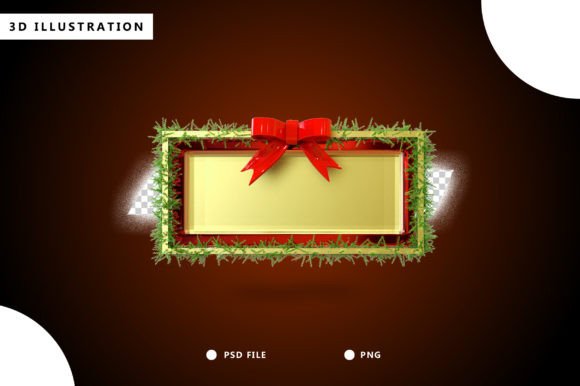
3d Frame Christmas Render: Premium Illustrations for Modern Publishing
In the fast-paced world of digital publishing, the difference between a scroll-past and a click-through often comes down to the quality of your visual assets. As someone who has spent years designing blogs, managing editorial calendars, and building brand identities for content creators, I have learned that Illustrations are not merely decorations; they are strategic tools that dictate reader trust and engagement. Recently, I evaluated a specific graphic design asset known as the 3d Frame Christmas Render to see if it could hold its own in a real-world publishing workflow. After integrating it into several test projects, from newsletter headers to affiliate product guides, I am convinced that this asset offers a unique blend of festive charm and professional polish.
The First Impression: Setting an Editorial Mood
When you first encounter the 3d Frame Christmas Render, the immediate feeling is one of elevated sophistication. Unlike many clipart-style holiday graphics that can feel cheap or cluttered, this asset strikes a balance between playful seasonal energy and clean modern design. It creates an editorial mood that feels both inviting and trustworthy. For a publisher, this is crucial because it signals to your audience that the content behind the image is high-quality and worth their time.
The 3D rendering technique adds depth and texture that flat vector art often lacks. This dimensionality helps the image stand out in crowded social feeds and blog roll-ups. It naturally supports niches focused on lifestyle, home decor, family activities, creative DIYs, and educational content during the winter season. Whether your brand voice is warm and feminine or bold and artistic, this asset adapts well without overwhelming the message. It serves as a perfect bridge between the excitement of the holidays and the need for a professional online presence.
Real-World Publishing Applications
The true value of a graphic design asset lies in its versatility across different platforms. In my recent workflow, I utilized the 3d Frame Christmas Render in a variety of critical areas where visual impact directly correlates with performance metrics.
- Blog Featured Images: The render works exceptionally well as a hero image for year-end roundups or gift guide articles. Its framing effect draws the eye toward the center, creating a natural focal point for any overlaid text.
- Pinterest Pins: On Pinterest, where visual hierarchy is everything, this asset stands out against the white background of the feed. The 3D elements catch the light differently than standard illustrations, increasing the likelihood of a click-through to the article.
- Newsletter Headers: Sending a December newsletter requires a touch of festivity without looking unprofessional. Using this render as a banner header instantly sets a celebratory tone while maintaining brand consistency.
- Digital Guides and Lead Magnets: When creating downloadable resources like "The Ultimate Holiday Checklist" or a seasonal workbook, using this asset as the cover image elevates the perceived value of the freebie, encouraging more downloads.
- Social Media Graphics: It translates beautifully to Instagram posts and Facebook ads, providing a cohesive look for campaigns promoting affiliate products or seasonal services.
Furthermore, this asset fits seamlessly into Canva templates, allowing non-designers to quickly create branded content upgrades. For affiliate marketers, placing this frame around product recommendations can make the ad feel less like a sales pitch and more like a curated editorial recommendation.
Boosting Content Performance and Brand Identity
Why does this specific design matter for your bottom line? The answer lies in the psychology of visual communication. A polished visual system builds authority. When readers land on a page with a strong 3d Frame Christmas Render at the top, they subconsciously assume the content within is equally well-researched and valuable.
This asset enhances visual hierarchy by framing the most important information. Instead of a wall of text competing with a generic icon, the 3D frame guides the user's gaze exactly where you want it. This leads to stronger first impressions and improved click-through potential. Consistency is key to brand identity; using a high-quality, distinct style of Illustrations across your website, social media, and email marketing helps users recognize your brand instantly, even when scrolling quickly through their feeds.
In the context of commercial design, having a library of premium assets like this ensures that your small business branding never looks amateurish. It allows you to compete visually with larger publishers who have dedicated design teams, leveling the playing field for independent content creators.
Strategic Placement and Design Considerations
While the 3d Frame Christmas Render is highly versatile, smart publishers know that placement matters. It excels in areas where you have ample space to showcase its details. Hero images, category thumbnails, and full-width website headers are ideal spots where the 3D depth can be appreciated.
However, there are scenarios where caution is required. If you are designing for mobile devices with very small screens, the intricate details of the 3D frame might get lost or appear pixelated if not scaled correctly. In these cases, it may be better to use a cropped version or pair it with simpler text elements. Similarly, for serious professional niches like corporate finance or legal advice, the festive nature of the render might feel slightly out of place unless handled with extreme subtlety.
It should also be used carefully on low-contrast backgrounds. To maintain readability, ensure that the text placed over or near the frame has sufficient contrast. If your website layout is already busy with multiple competing graphics, adding another complex element could create visual noise rather than clarity.
Essential Publisher Notes for Implementation
To get the most out of this graphic design asset, I recommend following a rigorous testing protocol before deploying it across your entire site. First, always preview the asset inside a real blog layout. Does it disrupt the flow of the page? Does it align with your navigation bar? Second, test it on both desktop and mobile screens to ensure the composition remains effective at different resolutions.
Typography pairing is another critical factor. Try placing the headline text next to the frame using serif fonts for a classic look, sans-serif fonts for a modern feel, or script fonts for a handwritten touch. You will likely find that the neutral tones of the 3D render complement almost any font style, but testing is essential to confirm readability.
Don't forget to check the file size for web performance. Large images can slow down your site, hurting your SEO rankings. Compress images properly before uploading them to your CMS. Additionally, verify the commercial license. Since this is a commercial design asset intended for monetized websites, affiliate pages, and paid content products, ensuring you have the right permissions is vital for avoiding legal issues.
Finally, consider how the asset performs in black and white. Sometimes, reducing color saturation can reveal if the composition holds up structurally without relying solely on color appeal. By treating the 3d Frame Christmas Render as a core component of your content marketing strategy rather than just a temporary decoration, you can significantly elevate your editorial design and drive better results for your digital publication.