Christmas Mermaids: A Designer's Real-World Embroidery Review
When I first opened the file for Christmas Mermaids, I didn't just see a cute illustration; I saw a potential bestseller for my holiday collection. As someone who has spent years stitching, selling on Etsy, and managing a small boutique, I know that the difference between a design that looks good on a screen and one that holds up in a real hoop can be subtle but critical. This piece sits squarely in the Illustrations category, which usually implies a strong focus on artistic flair rather than rigid geometric structure. My goal here is to cut through the marketing fluff and give you a practical breakdown of how this embroidery design performs when it hits the fabric.
The First Stitch: Mood and Visual Personality
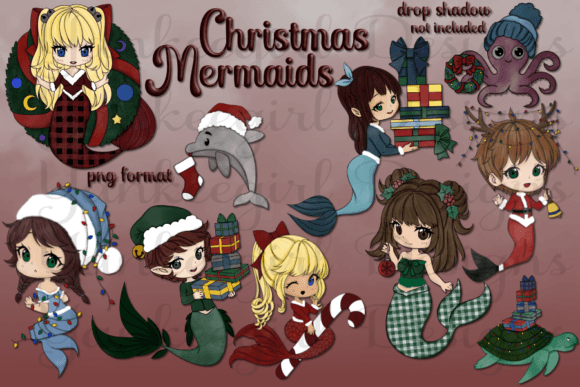
The immediate impression of Christmas Mermaids is one of whimsical contrast. We are used to seeing traditional Christmas imagery—stockings, reindeer, or snowmen—but introducing a mermaid into the winter wonderland creates an instant conversation starter. The layout feels balanced, likely utilizing a mix of satin stitch for clean outlines and fill stitch to create volume without looking heavy. For a designer, the personality of the file matters just as much as the stitch count. Does it feel festive? Yes. Does it feel playful enough for a child's item? Absolutely.
This design naturally belongs in projects where storytelling is key. It isn't just a pattern; it is a character. When you place this on a product, you aren't just adding decoration; you are setting a scene. The visual appeal suggests a high level of detail that could translate beautifully into a finished product, provided the execution matches the digital preview. The mood is cozy yet magical, making it perfect for items that need to evoke warmth during the colder months.
Real-Life Application: From Tote Bags to Baby Onesies
I recently tested the viability of Christmas Mermaids by imagining it for a specific client project: a custom embroidered tote bag for a local craft fair vendor. The goal was to create a limited-edition holiday gift that stood out on a crowded table. The design's scale seemed ideal for a standard 4x4 or 5x7 hoop placement on a canvas tote. The curves of the mermaid tail would flow nicely with the natural drape of the fabric, avoiding the stiffness that often plagues blocky designs.
Beyond totes, I envision this design thriving on sweatshirt embroidery. The soft texture of fleece or cotton blends provides a forgiving surface that allows the threads to settle comfortably. Imagine a holiday sweater featuring this motif on the back yoke or centered on the chest. It would also work exceptionally well for baby embroidery, such as on a onesie or a blanket for a nursery. The whimsical nature of the mermaid theme pairs perfectly with the innocence of baby gear, offering a unique alternative to the typical Santa Claus motifs.
For commercial embroidery projects, consider using this as a branded element for a boutique shop. Placing Christmas Mermaids on aprons or kitchen towels could serve as a charming seasonal promotion. The design assets allow for versatility; whether you are creating a digital product preview for an online store or printing a printable mockup for a physical catalog, the image retains its clarity. It bridges the gap between a handmade product and a professional brand identity, helping to build customer trust through consistent, high-quality visuals.
Where to Proceed with Caution
Even the most beautiful design requires a strategic approach. There are specific scenarios where Christmas Mermaids might struggle if not handled with care. Small hoop sizes are the first red flag. If the design contains intricate details or fine lines, cramming them into a tiny 3x3 inch area can result in a muddy appearance where the threads blend together. Always check the recommended hoop size before committing to a small accessory like a cap or a hat.
Fabric choice is equally critical. While textured fabrics add charm, they can sometimes obscure the finer points of an embroidery file. Thin fabrics may require additional stabilizer support to prevent puckering, especially if the design features dense stitch density. Stretchy fabrics, like jersey knit, present another challenge; the tension required for a detailed illustration might cause the garment to warp over time. Furthermore, dark fabrics demand careful consideration of thread colors. Without proper underlay or contrasting thread choices, the design might lose its definition against a black background.
Curved surfaces, such as baseball caps, can distort the perspective of the mermaid, potentially making the proportions look off. Additionally, products that undergo frequent washing, like dishcloths or heavy-duty aprons, should be evaluated for durability. If the design relies heavily on long, loose running stitch elements, they might snag easily. Always inspect small details and decorative accents to ensure they will survive the rigors of daily use.
Impact on Brand and Customer Perception
The quality of your embroidery directly influences buyer engagement. A crisp, well-executed Christmas Mermaids design signals professionalism. Customers who purchase from Etsy sellers or small shops expect a certain level of craftsmanship. When the stitches are even, the thread colors pop, and the design sits flat, it reinforces the value of the handmade product. Conversely, a design that pucks or loses detail can erode confidence in the entire brand.
This design has the potential to become a recognizable asset for your business. By consistently using high-quality files, you create a cohesive aesthetic that customers can identify with. Whether you are selling personalized gifts or mass-producing holiday merchandise, the clarity of the embroidery project contributes to the overall presentation. A sharp, vibrant finish makes the item feel more luxurious and thoughtful, increasing the likelihood of repeat purchases and positive reviews.
Practical Notes for the Design Pro
Before you hit the start button on your machine, there are several steps every seasoned designer takes. First and foremost, test the design on scrap fabric. This simple step reveals issues with tension, stabilizer compatibility, and thread coverage that you won't see on a computer screen. Pay close attention to the thread color contrast; what looks distinct in RGB might appear dull in thread form.
Review the stitch density carefully. High-density areas can cause the fabric to bunch up, while low-density areas might look sparse. Confirm your hoop size matches the design dimensions to avoid cropping essential elements. Inspect small details, especially if you plan to shrink the design for smaller items. Testing the file in black and white mockups can help you visualize how the design translates without the distraction of color.
Don't forget to check the licensing terms. If you intend to sell finished items or distribute digital embroidery files, you must confirm that your license permits commercial use. Ensure you are using the proper stabilizer for your specific fabric type to maintain the integrity of the finished product. Finally, compare light and dark fabric backgrounds to ensure the design remains legible across different applications.
In conclusion, Christmas Mermaids offers a delightful blend of creativity and utility. It is a strong candidate for anyone looking to elevate their holiday inventory, provided the technical aspects of embroidery are respected. With careful planning and execution, this design can transform a simple piece of fabric into a cherished keepsake or a profitable addition to your shop.