Christmas Tree Toy: Festive Illustrations for Real Branding
As a brand designer who has spent years crafting identities for local bakeries, boutique owners, and handmade sellers, I approach every new graphic design asset with a critical eye. Recently, I had the opportunity to review Christmas Tree Toy, a specific illustration intended for use in seasonal campaigns and product packaging. My goal was not just to look at the image itself, but to evaluate its potential as a functional tool for real-world commercial design. When you are a small business owner or a creative entrepreneur, your visual assets must do more than just look pretty; they must communicate trust, quality, and personality instantly.
First Impressions: The Mood and Brand Personality
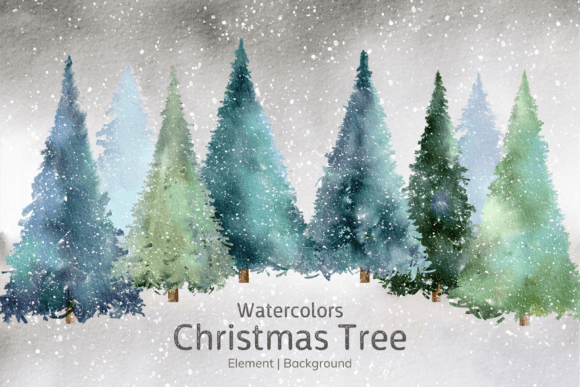
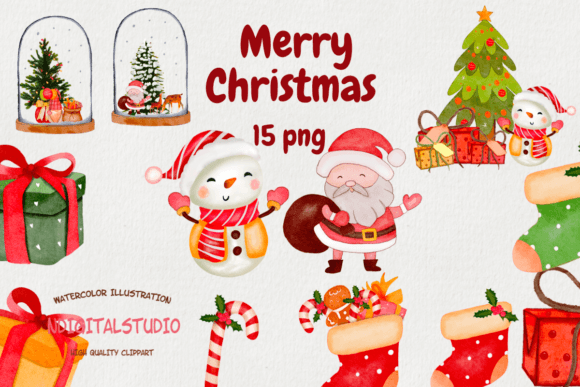
The moment I opened the file for Christmas Tree Toy, the mood was immediately established. Unlike generic clipart that feels flat or mass-produced, this piece carries a distinct sense of warmth and playfulness. It suggests a brand personality that is friendly, inviting, and perhaps a bit nostalgic. For a local business like a home-based candle shop or a family-owned bakery, this illustration bridges the gap between professional polish and handmade charm.
The style leans towards a soft, decorative aesthetic that works beautifully for festive branding. It does not scream "corporate" or "minimalist luxury"; instead, it embraces a cozy, organic feel. This makes it an ideal candidate for businesses targeting families, children, or customers looking for a personal touch. Whether you are designing for a holiday market stall or a seasonal pop-up store, Christmas Tree Toy sets a tone of joy and celebration that resonates deeply with shoppers during the winter season.
Real-World Applications in Local Business Design
In my recent project for a local artisanal soap brand, we needed to create a cohesive look for their holiday line. This is where Christmas Tree Toy proved its versatility. As a high-quality illustration, it can be seamlessly integrated into various aspects of your brand identity. It is not limited to just one format; rather, it acts as a versatile element that supports your entire visual hierarchy.
- Packaging and Product Labels: Imagine wrapping your candles or soaps in simple kraft paper. Placing Christmas Tree Toy as a central hero graphic or a corner accent instantly elevates the perceived value. It adds a layer of sophistication that turns a simple jar into a gift-worthy item.
- Hang Tags and Thank You Cards: Small businesses thrive on customer connection. Using this illustration on hang tags or printable inserts creates a memorable unboxing experience. It signals that you care about the details, which builds stronger emotional connections with your clientele.
- Social Media Graphics: For social media managers, this asset is a goldmine. It serves as a perfect background element for promotional ads, Instagram stories, or website banners. It helps break up text and draws the eye to special offers without overwhelming the message.
- Menu and Price Lists: Even food businesses can benefit from this playful vibe. A coffee shop could use it to highlight a seasonal latte or a special pastry, making the menu feel more curated and festive.
Strategic Placement: Where It Shines and Where to Pause
While Christmas Tree Toy is a powerful addition to your design toolkit, a professional brand designer knows that context is everything. Understanding where to place this asset is crucial for maintaining a clean and effective visual hierarchy.
This illustration works best when used as a decorative brand element or a focal point in seasonal packaging. It excels in creating a festive atmosphere for boutique visuals and marketing visuals where the goal is to evoke emotion. However, there are scenarios where caution is required. If you are designing for a formal corporate environment or a luxury minimalist brand that relies on stark white space, this playful toy might clash with your desired elegance.
Furthermore, avoid using it in crowded product packaging layouts. If your label already contains extensive ingredient lists, legal information, or heavy text blocks, adding another detailed illustration can create visual clutter. In such cases, it should be used sparingly, perhaps reduced to a subtle watermark or a tiny icon, to ensure that important text remains legible. Similarly, if you are working with low-contrast backgrounds, the detail in Christmas Tree Toy might get lost, requiring careful color adjustment.
Essential Notes for Commercial Design Projects
Before integrating any digital product into a client's workflow or your own physical product sales, rigorous testing is non-negotiable. Here are practical steps I recommend when evaluating Christmas Tree Toy for a commercial license project.
- Test on Real Packaging Mockups: Never rely solely on a screen preview. Place the illustration on a mockup of your actual bottle, box, or bag. See how it interacts with the texture of the material and the lighting conditions.
- Check Black and White Usage: Convert the asset to grayscale to ensure it retains its shape and impact even without color. This is vital for monochromatic branding or cost-effective printing methods.
- Preview on Small Labels: Reduce the size significantly. Does the detail hold up? If the lines blur or disappear, this illustration may not be suitable for small product labels or price stickers.
- Font Pairing Tests: Typography is key to brand identity. Test Christmas Tree Toy alongside serif fonts for a classic look, sans serif fonts for modernity, script fonts for elegance, and handwritten fonts for a personal touch. Ensure the illustration does not compete with the typeface.
- Inspect File Quality: Verify if you have access to SVG design files for infinite scalability or high-resolution PNG design files for immediate use. Check the transparency edges to ensure no jagged pixels appear against colored backgrounds.
- Confirm Commercial Licensing: Always read the fine print. Ensure you have the right to use this illustration for physical product sales, not just digital downloads. Using a design asset without a proper commercial license can lead to serious legal issues for your small business.
Building Trust Through Professional Branding
Ultimately, the goal of using a well-chosen graphic design asset like Christmas Tree Toy is to strengthen your first impression. In a crowded marketplace, customers make split-second decisions based on visual cues. A polished, consistent brand identity that incorporates thoughtful illustrations like this one signals professionalism and reliability.
When you combine Christmas Tree Toy with strong typography and a clear layout, you create a cohesive story for your brand. Whether you are a food business owner launching a holiday treat line or a handmade seller preparing for a craft fair, this illustration helps elevate your presentation. It transforms ordinary items into experiences, fostering better product recognition and improved customer trust.
By treating your design assets with the same care as your products, you demonstrate respect for your audience. Christmas Tree Toy is more than just a picture; it is a strategic tool that, when used correctly, can enhance your shelf appeal and drive engagement across all your marketing channels. For any creative entrepreneur looking to add a touch of festive charm to their local business branding, this illustration offers a solid foundation for success.