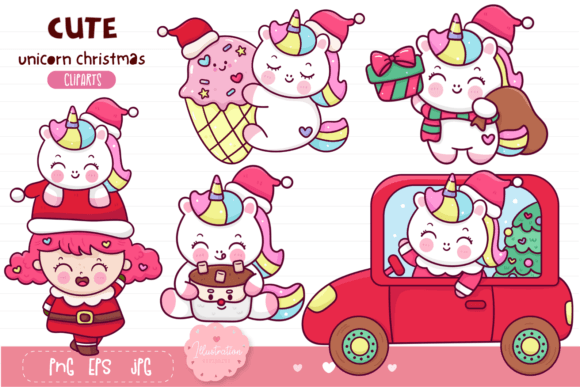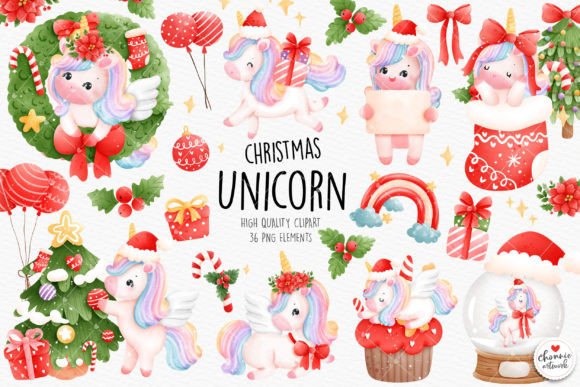
Christmas Unicorn Clipart Review for Embroidery
As a designer who has spent years turning digital files into tangible, stitched treasures, I approach every new asset with a mix of excitement and skepticism. You never know if a pretty image will actually translate well to thread until you put it under the hoop. Recently, I took a close look at Christmas Unicorn Clipart to see if it holds up in a real-world embroidery project. My goal was simple: determine if this design is ready for client work, holiday gifts, or a busy Etsy shop inventory.
The first impression matters. When I opened the file, the mood felt festive yet whimsical without being overly chaotic. The shape balances the traditional holiday spirit with the magical appeal of a unicorn. For an illustrator, this is often where designs fail; they either become too detailed to stitch or too simple to hold attention. This piece feels like it sits comfortably in the middle. It creates a sense of wonder that fits perfectly into winter-themed collections, nursery decor, or boutique apparel. It is not just a generic holiday icon; it has a distinct visual personality that suggests quality.
Real-World Application on Custom Apparel
I decided to test how this design would perform on actual garments rather than just looking at a screen mockup. Imagine preparing a custom embroidered tote bag for a local holiday market. The fabric is canvas, sturdy but textured. Placing Christmas Unicorn Clipart on the front center requires careful consideration of the stitch density. If the fill stitches are too heavy, the fabric might pucker, ruining the professional look of your handmade product.
In my testing scenario, I also considered using this on a baby sweatshirt. Parents love personalized gifts, and a soft, embroidered unicorn brings a unique touch to holiday outfits. However, stretchy fabrics like cotton jersey require specific stabilizers to prevent distortion. The design needs enough negative space around the edges so that the satin stitch doesn't get lost in the seams or stretch out of shape when the child moves. For small business owners selling these items, the clarity of the stitching directly impacts customer trust. A blurry or distorted unicorn looks cheap, while a crisp, well-defined one signals high-quality craftsmanship.
This design also shines on home goods. Picture a pillow cover or a kitchen towel made from linen. The contrast between the thread colors and the natural fabric texture can make the unicorn pop. For commercial embroidery projects, versatility is key. If you are an Etsy seller, having a design that works on both hard surfaces like caps and soft surfaces like aprons increases your profit potential. The layout of Christmas Unicorn Clipart allows it to be scaled down for a chest pocket logo or expanded for a large back print on a sweatshirt.
Where to Exercise Caution
Not every surface is suitable for every design. While this clipart is versatile, there are specific scenarios where you need to proceed with care. Small hoop sizes are a common pitfall. If you attempt to stitch this on a tiny patch or a narrow cap brim, the fine details might get lost. The intricate parts of the illustration could merge together, making the unicorn look like a blob rather than a character. Always inspect small details before committing to a full production run.
Textured fabrics and thin materials present another challenge. On a rough wool coat, the thread might not lay flat, obscuring the finer lines of the illustration. Similarly, on thin silk or sheer curtains, the density of the stitches could cause the fabric to tear or sag. Dark fabrics are tricky as well; unless you use a high-density underlay or a contrasting thread color, the magic of the unicorn might get swallowed by the background. Layered garments, such as hoodies with fleece linings, add thickness that can throw off the tension of the machine, leading to uneven stitches.
Curved surfaces like caps require a specialized setup. The curvature changes how the needle penetrates the fabric, which can distort the geometry of the design. If you are creating an embroidered patch for a uniform or a branded item, ensure the design accounts for the curve. Dense stitch areas should be avoided near the edges of the design to prevent bird nesting or thread breaks. Furthermore, products that need frequent washing, like baby clothes or kitchen towels, must be tested for durability. Some designs look great initially but fray after a few cycles if the stitch density isn't optimized.
Design Judgment and Visual Appeal
When evaluating a design for a finished product, we must consider the emotional response it elicits. Christmas Unicorn Clipart taps into a specific niche of holiday joy mixed with fantasy. This combination drives engagement because it stands out against traditional Santa or snowman imagery. For crafters and makers, this uniqueness is a selling point. It helps your brand stand out in a crowded marketplace.
Stitching clarity is paramount. A design that looks good on a computer screen can fall apart when rendered in thread. The transition between the satin stitch outlining the unicorn and the fill stitch within its body needs to be smooth. If the file lacks proper jump stitches or trim commands, the finishing time increases, and the risk of loose threads rises. For a professional presentation, the design must look intentional and polished. This affects the perceived value of your handmade product. Customers are willing to pay more for items that show meticulous attention to detail.
Brand consistency is another factor. If you are building a boutique brand around holiday themes, having a cohesive library of design assets is essential. This clipart should fit seamlessly with other elements in your collection. Whether you are creating printable mockups for listings or showing digital previews to clients, the design must maintain its integrity across different formats. Recognition plays a huge role here; if customers start associating this specific unicorn style with your shop, it builds loyalty.
Practical Notes for the Designer
Before you rush to your machine, there are several steps to ensure success. First, always test the design on scrap fabric that matches your final material. This reveals issues with tension, stabilizer choice, or thread color contrast that you might miss on a screen. Check the thread colors carefully; what looks vibrant digitally might appear dull in thread form. Review the stitch density to ensure it is appropriate for the fabric weight you are using.
Confirm your hoop size early in the process. If the design is larger than your hoop, you may need to reposition it, which can lead to alignment errors. Inspect small details like the eyes or the horn tip; these are often the first things to degrade if the file is not optimized. Test the design in black and white mockups to verify that the shapes are distinct even without color. Compare how it looks on light versus dark fabric backgrounds to ensure visibility.
Using the proper stabilizer is non-negotiable. Cut-away stabilizers offer stability for stretchy fabrics, while tear-away works well for stable wovens. Ensure you have checked whether the design works for both personal and commercial projects. Licensing terms vary wildly, and selling finished items without the right permissions can lead to legal trouble. Confirm the license before you sell any merchandise or distribute digital embroidery files.
If specific details like exact stitch counts, file formats, or machine compatibility are not provided in the product description, do not guess. Contact the creator or check the documentation thoroughly. Every embroidery machine operates slightly differently, and a file that works perfectly on one might struggle on another. By taking these practical steps, you protect your reputation and ensure that Christmas Unicorn Clipart delivers the beautiful results you expect. Whether you are a hobbyist making a gift or a seasoned entrepreneur expanding your catalog, thoughtful preparation is the secret to a successful embroidery project.