Have Yourself a Merry Sweet Christmas: A Designer's Review of Seasonal Illustrations
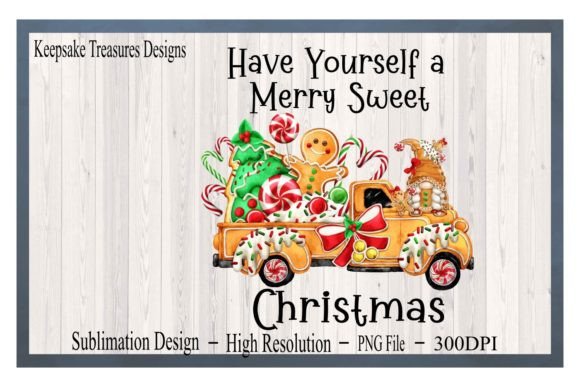
I recently received a request from a client running a boutique handmade candle brand. They needed to launch a limited-edition holiday collection and wanted visuals that felt warm, nostalgic, and distinctly artisanal rather than mass-produced. Their brief was specific: they wanted to avoid the typical red-and-green clipart look and instead sought something with character that could anchor their packaging design and social media graphics. This is where I decided to evaluate Have Yourself a Merry Sweet Christmas as a potential core asset for their project.
Upon first inspection, this illustration strikes a balance between whimsy and professionalism that is often hard to find in commercial design assets. The visual mood is undeniably cozy, evoking the feeling of a quiet winter evening by the fire. It does not scream for attention like a neon sign; instead, it invites the viewer in. For a small business owner or a brand looking to establish emotional trust, this kind of subtle warmth is invaluable. It feels less like a generic decoration and more like a curated piece of art that belongs on a high-quality product label or a premium gift tag.
Visual Hierarchy and Brand Identity Potential
In my experience working with branding and marketing visuals, the ability of an asset to support a clean visual hierarchy is paramount. Have Yourself a Merry Sweet Christmas possesses a distinct style that works exceptionally well when paired with serif fonts for a classic feel or handwritten fonts for a personal touch. When placed on a dark background, the contrast creates a sophisticated look suitable for editorial design or website graphics. However, if you are aiming for a minimalist aesthetic, this asset might be too detailed for a logo design or a primary brand mark.
The strength of this illustration lies in its versatility across different mediums. I immediately saw how it could elevate a packaging design for a line of soaps or chocolates. As a decorative accent, it adds depth without overwhelming the product information. For a digital seller creating a printable wall art set, this image serves as a perfect hero graphic. It anchors the composition, allowing smaller text elements to sit comfortably nearby. In a campaign visual for a local event or an online product launch, this asset helps create a cohesive theme that resonates with audiences seeking authentic, handmade experiences.
Performance Across Digital and Print Media
When testing this asset for real-world application, I considered its performance in various formats. For t-shirt design and sublimation projects, the lines appear crisp and the color palette (assuming standard CMYK/RGB availability) translates well to fabric. If the file includes vector data, it becomes even more powerful, allowing me to scale the design for large format prints without losing quality. For Cricut projects, the cut paths would likely be precise, making it ideal for creating stickers, decals, or intricate die-cuts for crafters.
In the realm of social media graphics, this illustration shines as a supporting element. It works beautifully on Instagram posts and Pinterest pins where the goal is to stop the scroll with a festive yet elegant image. Unlike busy, cluttered clipart, this asset allows for negative space, which is crucial for adding call-to-action buttons or promotional text. I also tested its viability for Canva templates. Its balanced composition makes it easy to layer over other elements, ensuring the final output remains readable and professional.
Strategic Placement and Design Limitations
While this asset is highly effective, a professional designer knows that context is everything. There are scenarios where Have Yourself a Merry Sweet Christmas should be used with caution. For instance, if you are designing a corporate material that requires strict, clean visual hierarchy, this illustration might feel too casual. Similarly, in crowded layouts where multiple elements compete for attention, the detail level of this piece could become distracting.
Readability is another critical factor. If you place this asset directly behind small body text, the complexity of the illustration can reduce legibility. It is best reserved for large layout areas, hero graphics, or as a standalone focal point. For sticker design or very small merchandise items, the fine details might get lost during production. In these cases, simplifying the asset or using it as a background texture with reduced opacity is a smarter approach.
Furthermore, when integrating this into a brand identity, ensure it aligns with the overall tone. If your brand is strictly modern and geometric, this illustrative style might clash. However, for brands focusing on lifestyle, wellness, or artisanal goods, it acts as a perfect bridge between the product and the customer's emotions. It enhances visual trust by signaling that care has been taken in the creative direction.
Practical Designer Notes for Commercial Use
Before committing this asset to a client project, there are several technical checks every designer must perform. First, always test the design in black and white. This ensures that the value structure holds up even without color, which is essential for print-on-demand processes that may rely on single-color transfers. Check the contrast on both light and dark backgrounds to guarantee visibility.
Previewing the asset at various sizes is non-negotiable. Zoom out to see how it functions as a thumbnail for a blog post or zoom in to inspect edge quality for a poster. If the file is a PNG, verify the transparency edges are clean and free of halos. If it is an SVG, check the editability of the layers to see if you can manipulate colors to match your client's brand guidelines. Comparing this style against other font types—such as script, display, or sans-serif—will help you determine the best pairing for your specific layout.
Finally, confirm the commercial license. Using a design bundle or individual asset for a paid client project requires explicit permission. Ensure the terms allow for end-product resale, whether that is a physical good like a tote bag or a digital download like a printable planner. With the proper licensing confirmed, this asset transforms from a simple image into a robust component of a successful commercial design strategy.
Ultimately, Have Yourself a Merry Sweet Christmas is more than just a seasonal decoration; it is a versatile tool for creatives looking to add heart and polish to their work. Whether you are a graphic designer building a portfolio, a crafter selling on Etsy, or a small business owner launching a holiday line, this illustration offers the right blend of charm and functionality. It supports a narrative of warmth and community, making it a worthy addition to any creative marketplace collection or design toolkit.