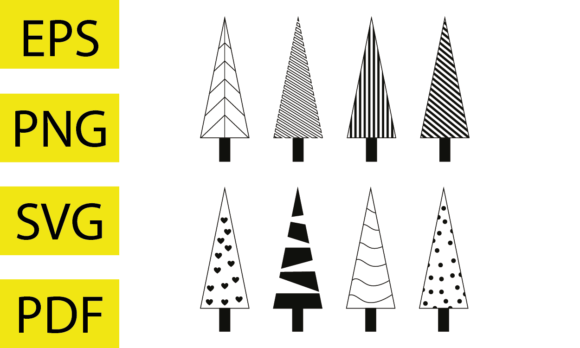
Christmas Tree Sublimation Clipart Review
As a designer who spends countless hours testing embroidery files before sending them to production, I approach every new asset with a mix of excitement and skepticism. Today, I am evaluating the Christmas Tree Sublimation Clipart specifically for its viability in real-world machine embroidery projects. While the title suggests a sublimation focus, the underlying illustration serves as a potential blueprint for stitching on fabric. My goal here is not to simply describe the image but to dissect how this design translates from a digital screen to a tangible, stitched product.
The First Impression: Mood and Visual Personality
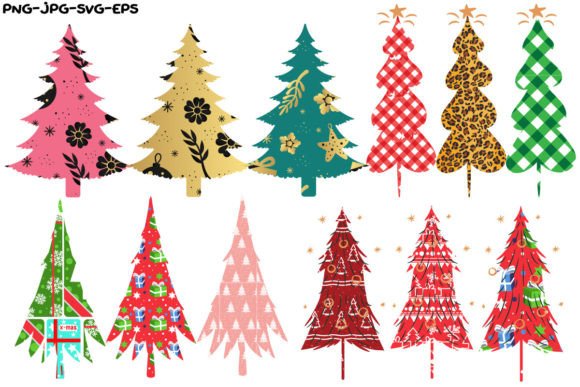
When you first open the file, the immediate feeling is one of cozy, festive nostalgia. The shape of the tree is distinct, avoiding the overly generic triangular silhouettes that clutter many stock libraries. It possesses a visual personality that feels hand-drawn yet structured enough for digitizing. For an embroidery designer, the layout is crucial; it needs to breathe within the hoop without feeling cramped or sparse. This particular design strikes a balance that makes it ideal for holiday-themed collections.
The detail level is where we must pay close attention. A good embroidery file relies on clean lines that can be interpreted by stitch patterns. If the original illustration contains too much fine line work, it risks becoming muddy once converted into satin or fill stitches. From my initial review, the contours appear solid, suggesting that when translated into thread, the design will hold its integrity. It creates a mood that is inviting and warm, perfect for items meant to evoke comfort during the winter season.
Real-World Application: From Screen to Stitch
To truly understand the value of this asset, I imagine placing it on various products. Let us consider a custom embroidered tote bag for a local holiday market. The Christmas Tree Sublimation Clipart would sit beautifully on the front panel of a canvas tote. The scale is appropriate for a standard 4x4 or 5x7 hoop, allowing the tree to stand out without overwhelming the bag's structure. When stitched onto the textured canvas, the contrast between the thread and the rough fabric would enhance the rustic charm of the illustration.
Now, shift the scenario to a baby onesie for a boutique nursery collection. Here, the application requires more precision. The design would need to be scaled down slightly to fit comfortably on the chest area. In this context, the softness of the surrounding fabric plays a massive role. If the digitization uses a high stitch density, the fabric might pucker, ruining the delicate look required for infant wear. However, if the file utilizes a lighter touch with running stitches for outlines, it could become a cherished personalized gift that parents would proudly display.
I also envision this design on a kitchen towel or a pillow cover for a home decor shop. These are high-volume items for craft businesses. On a tea towel, the tree acts as a central focal point, drawing the eye immediately. For a small business owner or an Etsy seller, having a versatile design like this means you can create a cohesive brand identity across multiple product lines. Whether it is a sweatshirt embroidery piece for a family matching set or a decorative accent on a cap, the design offers flexibility that drives sales.
Where Caution Is Required
While the potential is high, there are specific scenarios where using this design demands careful consideration. Small hoop sizes are a primary concern. If you attempt to stitch this on a very small patch or a tight cuff, the intricate details might get lost or cause thread breaks. Textured fabrics, such as heavy wool or boucle, can also hide the definition of the stitches, making the tree look less crisp than intended.
Stretchy fabrics present another challenge. Embroidering on knit materials like t-shirts or hoodies requires a stabilizer that can counteract the pull of the needle. Without proper stabilization, the Christmas Tree Sublimation Clipart could distort, causing the tree to lean or warp. Similarly, dark fabrics require a specific thread color strategy. If the background is black and the thread colors are light, you may need a tear-away underlay to prevent the fabric from showing through the stitches, which can detract from the professional finish.
Dense stitch areas should also be avoided if the design includes tiny lettering or complex corners. If the digitizer does not account for these elements, the result could be a blob of thread rather than a clear image. For products that need frequent washing, such as aprons or play clothes, the durability of the stitch density becomes paramount. You must ensure the design is robust enough to withstand the agitation of a washing machine without fraying or losing its shape.
Impact on Product Value and Brand Trust
The quality of your embroidery directly influences customer trust and perceived value. A well-executed machine embroidery design signals professionalism. When a buyer sees a crisp, clean tree on a handmade product, they assume care was taken in the creation process. Conversely, loose threads or puckered fabric can make a high-quality item look cheap. Using a strong base illustration like this allows you to elevate your finished product, making it suitable for commercial embroidery projects or high-end boutique branding.
This design also enhances giftability. Holiday gifts often rely on seasonal recognition. A clearly defined Christmas tree instantly communicates the occasion, adding emotional value to the item. For creative entrepreneurs, having assets that convey this message quickly can streamline your marketing efforts. You do not need to over-explain what the product is; the visual language speaks for itself.
Practical Designer Notes for Implementation
Before committing to a full production run, I strongly advise testing the design on scrap fabric first. This step reveals how the stitch density interacts with your specific material. Check the thread color contrast carefully; sometimes a color that looks vibrant on screen appears dull on fabric. Review the digitization to confirm that the satin stitch and fill stitch angles are optimized for the fabric grain.
Always inspect small details under magnification. Are the corners sharp? Do the curves flow naturally? Test the design in black and white mockups to see if the composition works regardless of color. Compare how it looks on both light and dark backgrounds to ensure versatility. Use the proper stabilizer for the project type; floating designs on stretchy fabric often require different support than anchored designs on stable cotton.
Finally, confirm whether the license allows for commercial use. Many digital product sellers need to know if they can sell finished items made with the design. If the terms are unclear, reach out to the creator. Understanding the licensing is essential for protecting your small shop product business. By following these steps, you can transform the Christmas Tree Sublimation Clipart from a simple illustration into a profitable, high-quality addition to your portfolio.